
Mastering Sports Broadcasting: Key Techniques and Trends for Success
Understanding the Landscape of Sports Broadcasting
In the realm of media and entertainment, few experiences rival the excitement and community spirit fostered by Sports Broadcasting. From nail-biting live match coverage to intricate analysis, this field has evolved phenomenally. The intersection of technology and human storytelling has made sports more accessible than ever, shaping how we interact with our favorite games and athletes. The sphere of Sports Broadcasting encompasses various elements that contribute to its growth and transformation, making it an essential area of interest for marketers, analysts, and enthusiasts alike.
History and Evolution of Sports Broadcasting
The origins of sports broadcasting can be traced back to the early 20th century, with radio broadcasts of sporting events providing the first taste of this new realm to audiences. The 1930s brought about innovations including the introduction of live commentary, which captivated listeners by bringing the action directly into their homes. By the time television emerged as a widely adopted medium in the 1950s, sports broadcasting had already begun to expand dramatically, transforming the landscape of the sports industry.
As the years progressed, advancements in technology continually reshaped the broadcasting experience. Color broadcasts became a standard in the late 1960s, enhancing the viewing experience and making events more visually engaging. Fast forward to the digital age, the advent of the internet in the late 1990s and the proliferation of mobile devices signaled another major shift. Streaming services began to emerge, allowing fans to watch their favorite teams and leagues from anywhere in the world, a transformation that has only accelerated in recent years.
Key Players in the Industry
The sports broadcasting industry comprises various players, including major television networks, streaming platforms, and independent content creators. Broadcast networks such as ESPN, NBC Sports, and Fox Sports have historically dominated live sports coverage. In recent years, platforms like Netflix and Amazon Prime have also entered the field, reaching audiences with sports documentaries and exclusive sporting events. This blend of traditional and new media is redefining how audiences consume sports, leading to increased competition for viewership and advertising revenue.
Current Trends Shaping the Future
As technology evolves, so do the trends that shape the future of sports broadcasting. Key trends include the increasing rise of social media’s influence, where platforms like Twitter, Instagram, and TikTok not only provide updates but also engage fans in real-time discussions. Moreover, virtual and augmented reality technologies are attempting to enhance viewer experiences, allowing audiences to engage with content in innovative ways. Finally, data analytics is becoming increasingly vital, enabling broadcasters to offer enhanced insights during live events, improving the overall viewing experience.
Essential Tools and Technology for Sports Broadcasting
Broadcast Equipment and Software
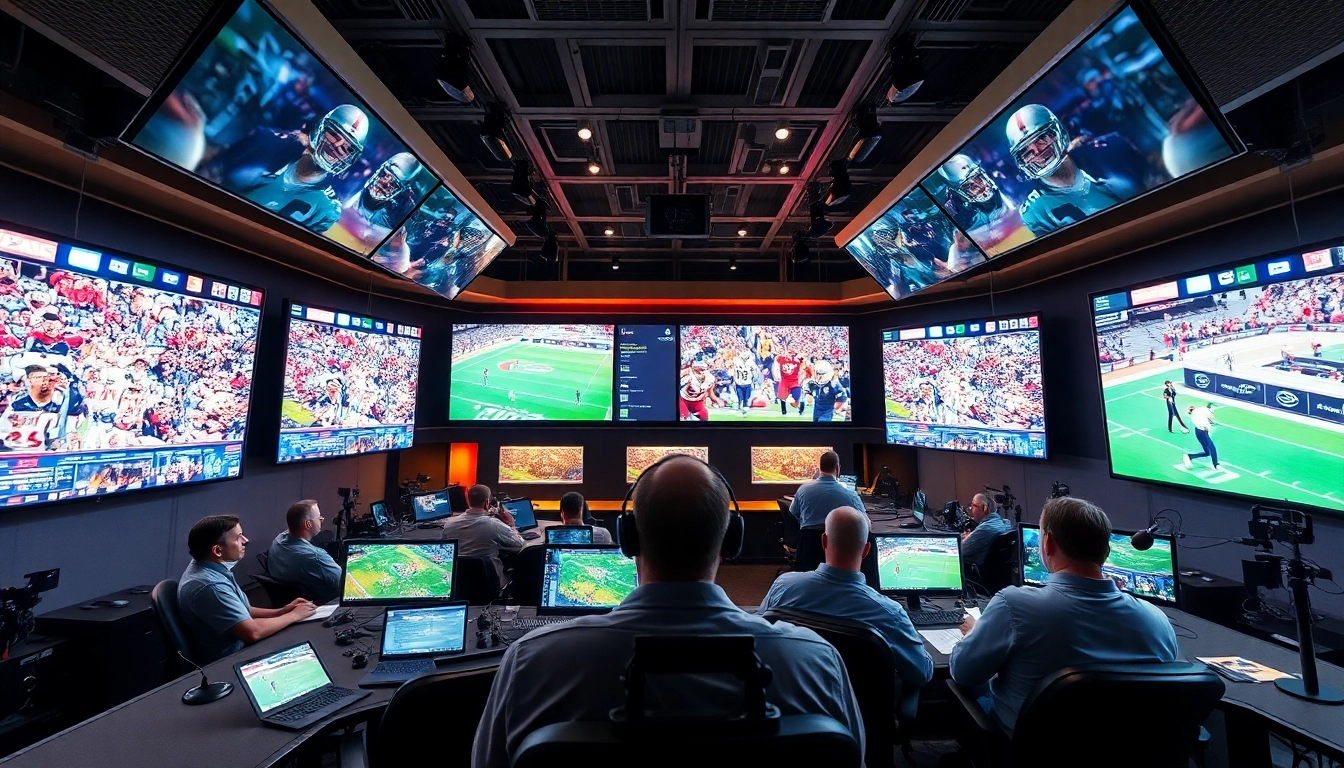
Today’s sports broadcasters rely on a vast array of equipment and software to deliver high-quality coverage. Essential components include cameras, microphones, and specialized editing software. Multicamera setups equipped with high-definition technology are standard, allowing for multiple angles of play and instant replays. Additionally, software for scheduling broadcasts, managing content libraries, and editing segments is crucial for smooth operations.
Broadcast solutions have also evolved, with versatile equipment allowing for field reporting and on-the-go broadcasting. Organizations are increasingly investing in cloud-based tools for data storage and sharing to enhance collaboration among teams. Whether for live shows or pre-recorded content, the right tools are vital for producing engaging broadcasts.
Importance of High-Quality Audio and Visuals
High-quality audio and visuals are paramount in Sports Broadcasting. Viewers often decide to remain engaged based on their audiovisual experience. Poor audio can frustrate audiences, while subpar visuals can diminish the overall experience. Broadcasters are constantly enhancing their capabilities, focusing on high-fidelity sound systems and 4K video production to create immersive experiences.
In addition to visuals, the integration of graphics and overlays can enhance storytelling. Real-time stats, player information, and score updates contribute to a more informative experience, facilitating viewer understanding of the game’s flow and providing context to the action occurring on screen. This combination of elements elevates the viewer experience and can significantly impact audience retention.
Live Streaming Solutions
The demand for live streaming has dramatically increased, driven by technological advancements and changing consumer habits. Streaming services now offer viewers the ability to watch sports on various devices, offering flexibility that traditional broadcasting struggles to provide. Services such as over-the-top (OTT) streaming allow fans to customize their viewing experience, selecting the matches and leagues they want to watch without needing cable subscriptions.
Furthermore, the accessibility provided by live streaming has led to a wider range of sports getting coverage. Niche sports, previously relegated to local interest, can now find global audiences, significantly changing the dynamics in sports broadcasting. As networks and independent producers explore innovative streaming solutions, the future looks promising for diverse sporting events around the world.
Content Creation Strategies for Sports Broadcasting
Developing Engaging Sports Programming
Creating engaging sports programming requires a blend of creativity, understanding of the audience, and strategic planning. Content teams must identify trending topics, interesting narratives, and player story arcs that capture viewer interest. Incorporating expert analysis, interviews with players, and behind-the-scenes access to teams can create an enriched viewing experience.
Moreover, interactive programming, such as live Q&A sessions or viewer polls, encourages fan participation and fosters a deeper connection with the audience. Developing programming that resonates emotionally can enhance viewer loyalty, leading to sustained viewership over seasons.
Storytelling Techniques in Sports Coverage
Storytelling is a powerful tool in sports broadcasting that helps create emotional connections with viewers. Successful coverage goes beyond just reporting scores and statistics; it delves into the narratives that define sports. Broadcasters should focus on player backgrounds, team dynamics, and rivalries, weaving these stories into match coverage.
Using visual elements such as slow-motion replays, graphics, and player interviews can enhance storytelling, rendering the broadcast more engaging and helping audiences to connect with the human aspects of sports. Effective storytelling not only keeps fans glued to their screens but also cultivates brand allegiance.
Utilizing Social Media for Enhanced Engagement
In the digital age, leveraging social media platforms is essential in boosting audience engagement. Social media serves as a conduit for real-time interaction, allowing fans to share opinions, ask questions, and discuss matches as they unfold. Broadcasters must create a cohesive social media strategy that integrates with televised content, utilizing features such as live tweeting, post-game discussions, and sharing highlights.
Engaging content such as polls, quizzes, and contests can also elevate audience interaction while providing broadcasters valuable feedback on viewer preferences. By establishing a robust social media presence, networks can enhance brand loyalty and expand their reach.
Regulations and Ethics in Sports Broadcasting
Understanding Copyright and Licensing
Copyright and licensing play crucial roles in Sports Broadcasting, governing who can air specific events and under what conditions. Broadcasting rights are typically held by networks that have negotiated contracts with leagues and teams, covering everything from live game broadcasts to highlights and replays.
Understanding the implications of these agreements is essential for ensuring compliance and avoiding legal issues. Broadcasters must stay updated on licensing agreements and navigate the intricate landscape of international broadcasting rights as global audiences become increasingly relevant.
Ethical Standards in Reporting
Maintaining ethical standards is vital in sports journalism, where biases can significantly impact reporting. Broadcasters should strive for accuracy, fairness, and impartiality, providing balanced coverage while encouraging diversity of voices within sports journalism. Ethical reporting not only fosters viewer trust but also elevates the entire industry’s credibility.
Moreover, ethical considerations extend to the coverage of sensitive topics, such as player injuries or personal issues. Transparency and sensitivity can shape public perception, and broadcasters have a responsibility to handle such matters with care.
Impact of Regulations on Coverage
Government regulations and industry standards can affect how sports broadcasting is conducted, influencing everything from airwaves to advertising. Regulations may dictate broadcasting content, viewer accessibility, and the scheduling of broadcasts to maximize audience reach. Compliance enables broadcasters to operate legally while maintaining their obligations to consumers and sponsors.
Furthermore, understanding these regulations allows broadcasters to navigate challenges proactively, ensuring they can adapt to evolving landscapes and audience needs. Staying informed on changes is crucial for maintaining competitive advantage in the industry.
Measuring Success in Sports Broadcasting
Key Performance Indicators (KPIs)
Measuring success in sports broadcasting involves a variety of Key Performance Indicators (KPIs) that help gauge effectiveness. Metrics such as viewership ratings, audience demographics, and engagement levels provide insights into how audiences consume content. KPIs allow broadcasters to assess the reach of their productions and tailor future content effectively.
Audience Engagement Metrics
Engagement metrics are vital in understanding audience interaction and loyalty. Metrics such as social media engagement, viewer retention rates, and feedback through polls or comments can offer a comprehensive view of audience engagement. These insights can guide content strategies, allowing broadcasters to focus on preferred topics and formats.
Adjusting Strategies Based on Analytics
Analytics play a key role in refining broadcasting strategies. By examining viewership data and engagement metrics, broadcasters can make informed decisions about content direction, scheduling, and marketing techniques. Conducting regular analyses enables organizations to adapt to viewer preferences, ensuring relevance in an ever-competitive landscape.
FAQs:
What is sports broadcasting? Sports broadcasting refers to the live coverage or pre-recorded presentation of sports events on various platforms, including TV, radio, and the Internet.
How has technology impacted sports broadcasting? Technology has transformed sports broadcasting by enhancing audio and video quality, enabling live streaming, and allowing real-time data analysis.
What are essential skills for sports broadcasters? Essential skills include effective communication, strong knowledge of sports, quick thinking, and the ability to engage with viewers and analyze live events.
What role does storytelling play in sports broadcasting? Storytelling helps create emotional connections, provides context, and enhances viewers’ overall experience of the event.
How can audience engagement be measured in sports broadcasting? Audience engagement can be measured through viewership ratings, social media interactions, and participation in live polls and discussions.