
Proven Strategies for Maximizing Fleet Efficiency with RR99.COM in 2026
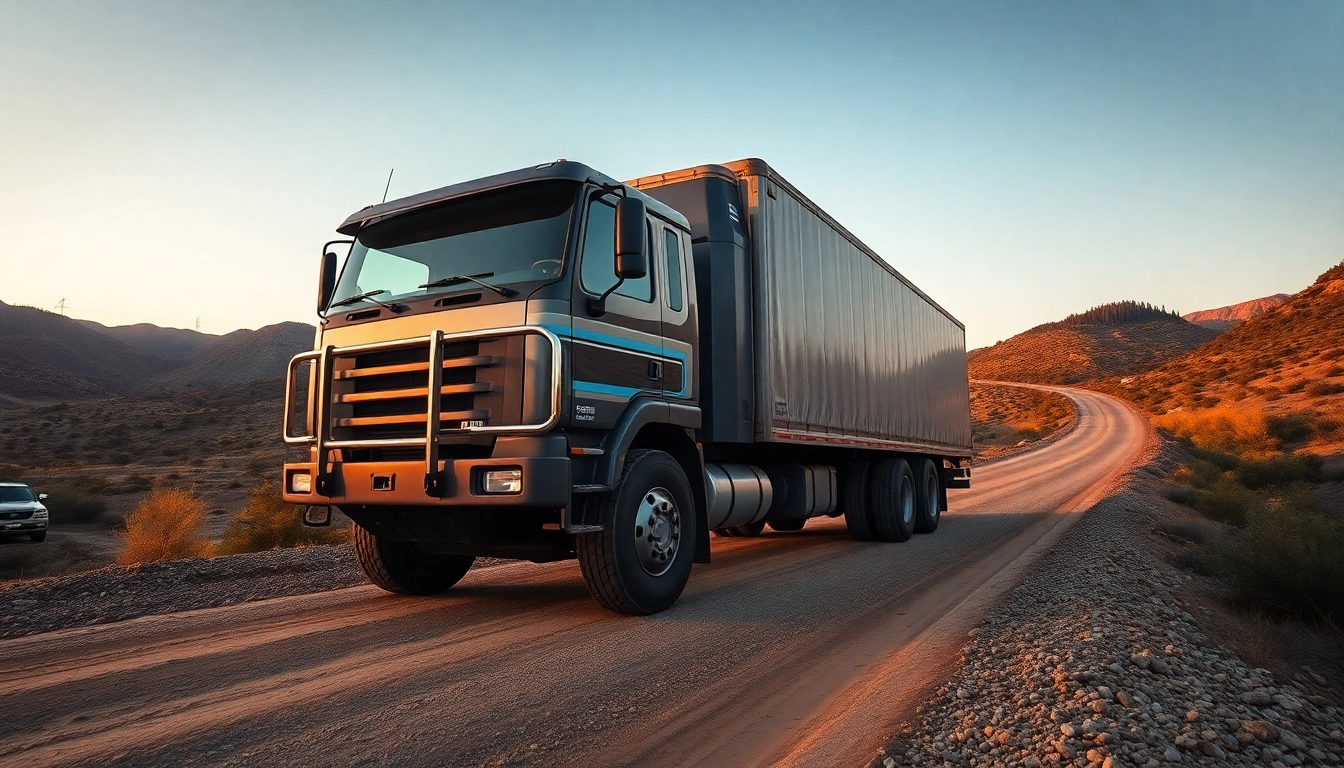
The Importance of Choosing the Right Tires for Mixed Service
In the commercial vehicle industry, selecting the right tires is crucial for optimizing fleet performance and ensuring the safety of drivers and cargo. Tires act as the only point of contact between vehicles and the road, influencing not just safety but also the overall operational efficiency of a fleet. With advancements in tire technology and materials, operators have access to a range of options that can significantly enhance vehicle performance. For those considering tire investments, RR99.COM offers detailed insights on the best choices for various applications.
Understanding the Role of Tires in Fleet Performance
Tires are not just rubber circles; they are sophisticated engineering products designed to cater to specific performance requirements. In fleet operations, the right tires can lead to improved fuel efficiency, extended lifespan, and enhanced safety. Proper tire selection impacts several key performance indicators, including traction, handling, and overall durability under various load conditions. Understanding these factors allows fleet managers to make informed decisions that can result in significant cost savings over time.
How RR99.COM Tires Enhance Vehicle Durability
The RR99 series tires are engineered specifically for mixed service applications, making them suitable for both on-road and off-road conditions. Their design incorporates advanced rubber compounds and tread patterns that provide excellent wear resistance, enabling them to perform optimally under diverse environmental conditions. Fleet managers who opt for RR99.COM tires can expect not only enhanced durability but also an improved safety profile for their vehicles.
Common Misconceptions About Tire Selection in 2026
As technology continues to evolve, so do the misconceptions surrounding tire selection. Many operators still believe that the most expensive tires are always the best choice. In reality, the best tire is one that meets the specific demands of a fleet’s operational conditions. Additionally, there’s a common belief that all-season tires are the best option for all conditions, which is misleading. Understanding the nuances of tire performance can help fleets choose the right tires for their unique needs, maximizing value and durability.
Top Features of Double Coin RR99 Tires
The Double Coin RR99 tire series is notable for its robust construction and features that cater to the specific needs of mixed-service applications. These tires are built to withstand harsh conditions while ensuring quality performance.
Engineered Design and Material Characteristics
Manufactured with advanced rubber compounds, the RR99 series is designed to deliver outstanding traction and stability on varied terrain. The tread design features large open grooves that enhance drainage and reduce hydroplaning, which is critical when driving in wet conditions. Additionally, the reinforced sidewalls provide extra protection against cuts and abrasions, making these tires a reliable choice for fleets operating in challenging environments.
Comparative Analysis with Competitor Tires
When comparing the RR99 tires to competitor offerings, several aspects stand out. For instance, many competitor tires may offer initial lower price points but can result in higher total cost of ownership due to quicker wear and reduced performance. In contrast, the longevity and reliability of the RR99 series often translate into lower operational costs over time, making them a cost-effective solution in the long run.
Real-World Performance Metrics of RR99.COM
Real-world tests demonstrate that RR99.COM tires deliver superior performance metrics, such as lower rolling resistance and increased tread life. Fleets utilizing these tires have reported improvements in fuel efficiency as well, further highlighting the benefits of investing in quality tires. Customer testimonials indicate that many operators experience prolonged service intervals and fewer punctures, which significantly enhances vehicle uptime.
Best Practices for Tire Maintenance in Commercial Vehicles
Proper tire maintenance is essential for maximizing performance and extending the lifespan of commercial tires. Adhering to maintenance best practices can help avoid unexpected costs due to tire failures.
Routine Maintenance Checks for Optimal Performance
Fleet managers should establish a routine tire maintenance schedule. Regular checks for air pressure, tread depth, and overall visual inspections can prevent issues before they escalate. Keeping tires inflated to the manufacturer’s recommended pressure can enhance fuel efficiency and prolong the tire’s lifespan.
Identifying Signs of Tire Wear and Tear
Being vigilant about identifying signs of wear is crucial. Uneven tread wear, bulges, or changes in performance can indicate underlying issues that need to be addressed. Fleet managers should invest in training their teams to recognize these signs early to prevent costly downtime.
Strategies for Extending Tire Lifespan
To maximize tire lifespan, operators can employ several strategies. Implementing rotation schedules, maintaining proper alignment, and ensuring balanced loads can significantly reduce tire wear. Additionally, choosing the right tires for specific applications, such as mixed service, can prevent premature wear and ensure optimal performance.
Cost-Benefit Analysis of Investing in Quality Tires
Investing in high-quality tires can yield significant long-term savings for commercial fleets. Conducting a thorough cost-benefit analysis allows fleet managers to understand the economic impact of their tire choices.
Understanding the Economic Impact of Tire Choices
The initial investment in higher quality tires like the RR99 series can be substantial, but the long-term savings often outweigh this cost. Reduced fuel consumption, longer tread life, and fewer replacements can lead to considerable financial benefits, which in turn can improve the bottom line for fleet operators.
Case Studies: Successful Fleets Using RR99.COM Tires
Numerous case studies highlight the success of fleets that have adopted RR99.COM tires. For instance, a regional logistics company noted a 15% reduction in fuel costs after transitioning to RR99 tires, alongside a 20% decrease in tire-related breakdowns, illustrating the tangible benefits of these products.
Future Trends in Tire Pricing and Features for 2026
As we move toward 2026, trends indicate that tire pricing may become more variable based on advancements in technology. Features such as smart sensors and IoT-enabled monitoring systems could drive initial costs up but ultimately lead to enhanced performance and lower lifecycle costs. Staying informed about these trends is vital for fleet managers looking to maintain a competitive edge.
Innovative Technologies Shaping the Future of Commercial Tires
Innovation is at the forefront of the tire industry, with emerging technologies paving the way for improved performance and efficiency in commercial tires.
Emerging Developments in Tire Manufacturing
Advancements in materials science and tire manufacturing processes are leading to the creation of tires that are stronger, lighter, and more efficient than ever before. Innovations such as self-healing rubber and advanced tread designs are becoming more commonplace, enhancing durability and performance.
How Data Analytics Can Optimize Tire Performance
Data analytics is revolutionizing tire management. By leveraging performance data, fleet operators can analyze tire performance metrics to optimize maintenance schedules and tire rotation strategies. This proactive approach reduces downtime and maximizes the effective lifespan of tires.
Predicted Industry Changes Through 2026 and Beyond
Industry experts foresee significant changes in how tires are designed and managed. For more information, Bắn cá RR99 offers valuable insights. The integration of smart technologies into tire systems promises to enhance performance monitoring, allowing for predictive maintenance and timely interventions when issues arise. This could lead to a new standard in fleet management, emphasizing data-driven decisions and operational efficiency.