
Masterful Tattoo Techniques at https://89bet.tattoo/ for 2026
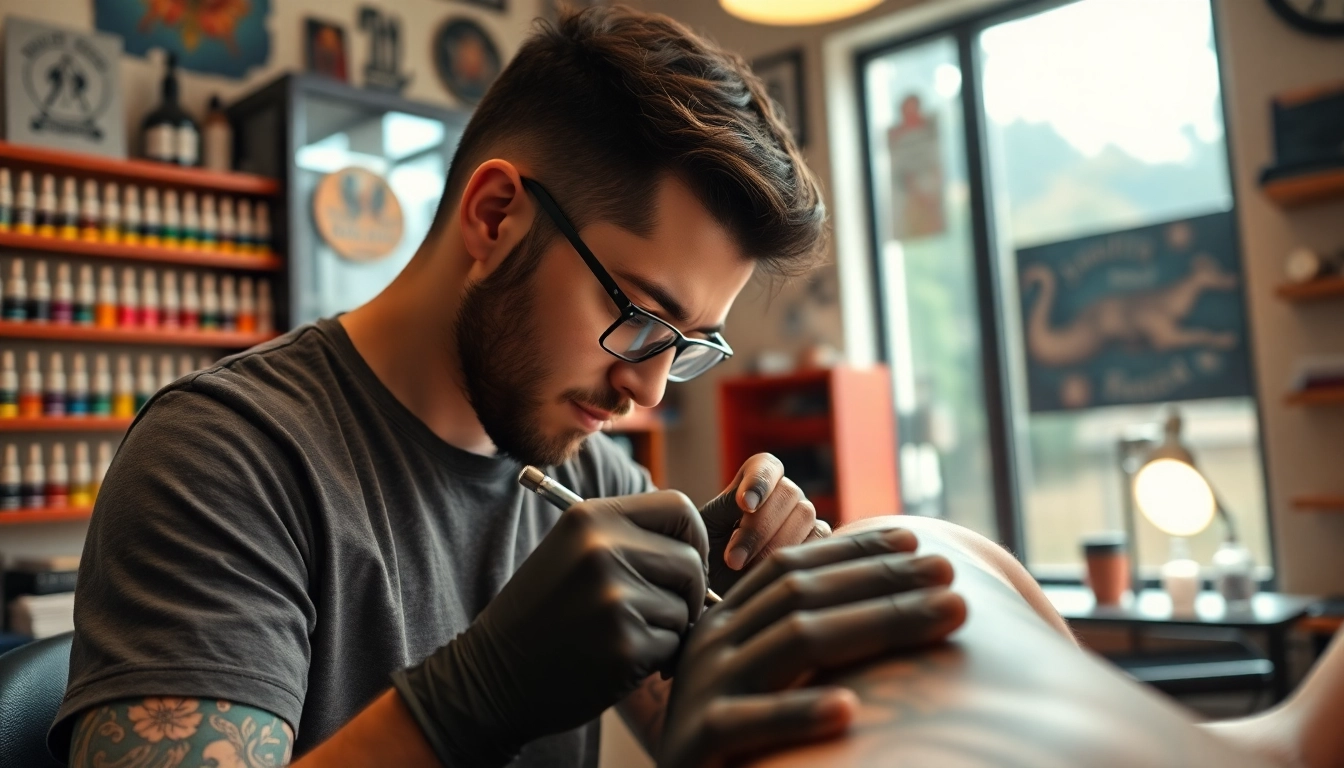
Understanding Tattoo Styles and Techniques
Tattooing has evolved significantly over the years, with countless styles and techniques emerging to cater to personal expression and artistry. The tattoo landscape in 2026 is rich and diverse, reflecting cultural shifts and advancements in technology. Understanding tattoo styles and techniques is essential for anyone considering a tattoo, as they affect not only the visual outcome but also the emotional and social impact of the ink on your body. When exploring options, https://89bet.tattoo/ provides comprehensive insights into the latest trends and techniques.
Exploring Popular Tattoo Styles in 2026
The year 2026 has witnessed a surge in popularity for various tattoo styles that cater to different tastes and preferences. Here are some of the most sought-after styles:
- Watercolor Tattoos: These tattoos mimic the brush strokes of watercolor paintings, featuring vibrant colors that blend seamlessly. They allow for creative expression and often resemble art rather than traditional tattoos.
- Geometric Tattoos: Characterized by precise lines and shapes, geometric tattoos have gained traction for their modern aesthetic. They often incorporate intricate patterns and can be personalized to represent meanings specific to the wearer.
- Minimalist Tattoos: The minimalist trend emphasizes simplicity and the use of negative space, making them appealing for those who prefer subtlety over bold designs. These tattoos often feature small symbols or one-liners that hold personal significance.
- Realistic Tattoos: As tattooing technology has improved, realistic tattoos have become more lifelike. Artists now create detailed portraits or nature scenes that often look like photographs on skin.
- Traditional American Tattoos: With bold outlines and vibrant colors, this style remains a classic. Iconic images such as eagles, roses, and skulls continue to resonate with tattoo enthusiasts.
The Importance of Technique in Tattooing
Technique plays a critical role in tattooing, influencing not only the final appearance of the tattoo but also its longevity and the comfort experienced during the process. Here’s why technique matters:
- Precision: Skilled artists utilize precise techniques to ensure clean lines and even shading, which are vital for the tattoo’s aesthetic appeal.
- Skin Integrity: Understanding the layers of skin and how to work with them minimizes trauma, leading to better healing and less discomfort for the client.
- Ink Saturation: Proper technique ensures the ink is deposited correctly for lasting color, reducing the likelihood of fading or blurring over time.
- Custom Work: Advanced techniques allow artists to incorporate personal elements that resonate with clients, creating truly unique pieces of art.
How to Choose the Right Style for You
Selecting a tattoo style that suits you involves a blend of personal taste, lifestyle considerations, and future aspirations. Here are some tips to help you make an informed decision:
- Reflect on Personal Meaning: Consider what the tattoo represents to you. Is it a tribute, a form of self-expression, or an artistic choice?
- Research Styles: Explore various styles online or through galleries to find what resonates with you. Platforms like Pinterest can offer inspiration.
- Consult with Artists: Discuss your ideas with tattoo artists who can provide recommendations based on their expertise and may suggest modifications to enhance your concept.
- Consider Placement: Think about where you want the tattoo on your body, as certain styles may work better in specific areas due to size and visibility.
Preparing for Your First Tattoo
The anticipation of getting your first tattoo can feel overwhelming, but proper preparation can make the experience smoother and more enjoyable. Understanding what to expect can alleviate anxiety and ensure a positive outcome.
What to Expect During a Tattoo Session
Your first tattoo session will likely take a few hours, depending on its size and complexity. Here’s what to expect:
- Consultation: You’ll begin with a discussion regarding your tattoo design, placement, and any concerns you may have. This is the time to ask questions.
- Preparation: The artist will prepare the workspace, ensuring all tools are sterilized and ready for use, which is crucial for your safety.
- Application: The tattooing itself involves using a tattoo machine to inject ink into the skin. Pain levels vary, but many describe the sensation as similar to a cat scratch or a slight burning feeling.
- Completion: Once the tattoo is finished, the artist will clean the area and provide aftercare instructions to help with healing.
Aftercare Tips: Ensuring Optimal Healing
Proper aftercare is essential for the healing of your tattoo. Follow these tips to ensure your tattoo looks its best:
- Keep it Clean: Gently wash the tattoo with mild soap and water, avoiding scrubbing or soaking.
- Moisturize: Apply a fragrance-free moisturizer or a specialized tattoo aftercare ointment to keep the skin hydrated.
- Avoid Sun Exposure: Protect your tattoo from direct sunlight during the healing process to prevent fading.
- Do Not Pick: Resist the urge to scratch or pick at your tattoo as it heals to avoid scarring or infection.
Common Misconceptions About Tattoos
There are many myths surrounding tattoos that can create confusion for those considering getting inked. Here are some common misconceptions:
- It’s Just a Phase: Many believe tattoos are impulsive and fleeting. However, numerous individuals build meaningful collections over time.
- They Always Hurt: Pain tolerance varies, and many report that the discomfort is manageable. Factors like location also influence sensation.
- Tattoos Are Unprofessional: The stigma surrounding tattoos is changing, with many workplaces embracing body art as part of personal expression.
- All Artists are Equal: Skill levels vary among tattoo artists; researching and choosing a reputable artist is crucial for desired outcomes.
Choosing the Right Tattoo Studio
Finding the right tattoo studio is imperative for a positive experience and quality results. With so many options available, it’s important to know what to look for in a reputable establishment.
Key Factors in Finding a Reputable Tattoo Artist
When searching for a tattoo artist, consider the following:
- Portfolio: Review the artist’s portfolio to understand their style and technique. A diverse portfolio showcases their adaptability.
- Experience: Consider artists with substantial experience, as they are often more skilled at executing intricate designs and managing client comfort.
- Specialization: Some artists specialize in specific styles (e.g., realism, traditional). Choose someone whose strengths align with your vision.
Assessing Studio Hygiene and Safety Practices
Hygiene is paramount when it comes to tattooing. Look for the following to ensure a safe environment:
- Sterilization: Confirm that all tools are properly sterilized and that single-use needles are employed to minimize infection risks.
- Clean Environment: The studio should appear clean and organized, with proper waste disposal methods in place.
- Staff Practices: Observe that artists wear gloves and follow strict hygiene protocols throughout the tattooing process.
Client Reviews and Their Impact on Your Choice
Client reviews can provide valuable insights into the quality of service you can expect from a tattoo studio. Consider checking:
- Online Reviews: Platforms like Google and Yelp can offer honest opinions from previous clients to help guide your decision.
- Social Media: Artists often showcase their work on social media platforms, providing a glimpse into their recent projects and client interactions.
- Word of Mouth: Personal recommendations from friends or family can point you toward trustworthy artists and studios.
Trends in Tattoo Design for 2026
The tattoo industry is continually evolving, and 2026 has brought forth exciting trends that reflect broader artistic movements and technological advancements. Here are some of the key trends shaping tattoo design:
The Rise of Minimalist Tattoos
Minimalism has become a prominent trend in various areas of art and design, and tattoos are no exception. The appeal of minimalist tattoos lies in their simplicity, often using fine lines and subtle detail. These tattoos are favored for their understated elegance, making them perfect for first-time tattoo seekers or those looking for something discreet.
Incorporating Technology in Tattoo Art
Technological advancements are influencing tattoo design in various ways. Artists are now using digital tools to create intricate designs and mock-ups, allowing clients to visualize their tattoos before they are inked. Additionally, some studios are experimenting with augmented reality (AR) elements, where designs can be projected onto the skin to provide a sense of how a tattoo will look.
Personalized and Custom Designs in High Demand
As tattoos become more mainstream, the demand for personalized and custom designs has soared. Clients are seeking unique interpretations of their stories, leading artists to blend styles and techniques to craft meaningful pieces. This focus on personalization not only enhances the aesthetic value of tattoos but also deepens the emotional connection between the wearer and the artwork.
Future of Tattooing: What Lies Ahead?
As we move further into 2026 and beyond, the future of tattooing appears bright and filled with potential. Innovations in technique, shifts in societal perceptions, and the changing landscape of personal expression are all contributing factors that will shape the next chapter of body art.
Emerging Techniques and Tools in Tattooing
Artists are constantly refining their techniques, and new tools are emerging that enhance the tattooing process. For example, advancements in tattoo machines are now allowing for more efficient ink application and reduced discomfort. Additionally, techniques such as “skin-tapping” may reduce the impact on the skin, promoting better healing outcomes.
Changing Perceptions of Body Art in Society
Society’s view of tattoos has shifted significantly, with body art now being celebrated as a form of personal expression. In 2026, many people view tattoos as a norm rather than a taboo, leading to broader acceptance in professional environments and social settings. This changing perception encourages more individuals to embrace body art without fear of judgment.
Long-term Impact of Tattoos on Career Choices
The long-term effects of tattoos on career choices are still being studied, but trends indicate that body art is becoming less of a barrier to employment. For more information, Đăng nhập 89bet offers valuable insights. Many industries are now hiring individuals with visible tattoos, recognizing the value of diversity in self-expression. Future generations may see tattoos as an integral part of their identity, influencing personal branding in the workplace.